
At Ellafi Federal Credit Union, your financial security is our top priority. Scammers are getting more creative and sophisticated, using a variety of tactics to steal personal and financial information. Being informed and vigilant is the best defense against fraud. The more you know, the better prepared you are to protect yourself, your family, and your finances.
🔍 Common Fraud Tactics to Watch Out For
1. Phishing Scams
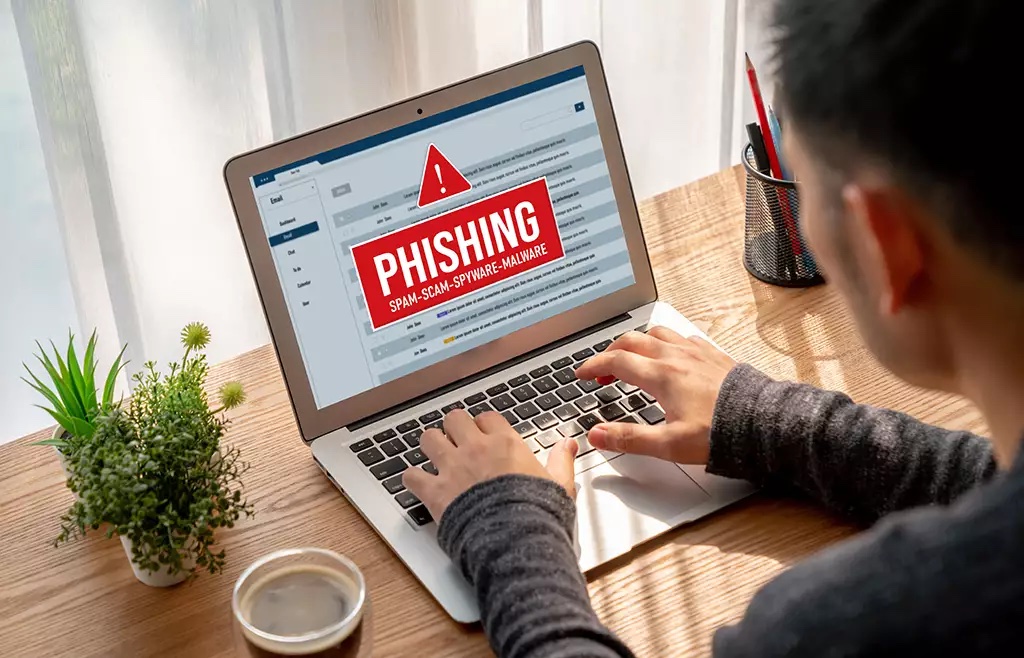
Fraudsters often impersonate trusted organizations—including banks, government agencies, or retailers—via email, text, or phone calls. Their goal? To trick you into sharing sensitive information like your account numbers, passwords, or Social Security number.
Red Flags:
- Urgent requests for personal information
- Suspicious links or attachments
- Generic greetings like "Dear Member" or "Customer"
Tips to Stay Safe:
- Hover over links before clicking to see where they lead
- Never download attachments from unknown sources
- When in doubt, contact Ellafi directly using official channels
Example: A scam email may claim your account has been “suspended” and ask you to log in immediately. Legitimate financial institutions will never ask you to provide passwords or personal info via email.
2. Smishing (SMS Phishing)
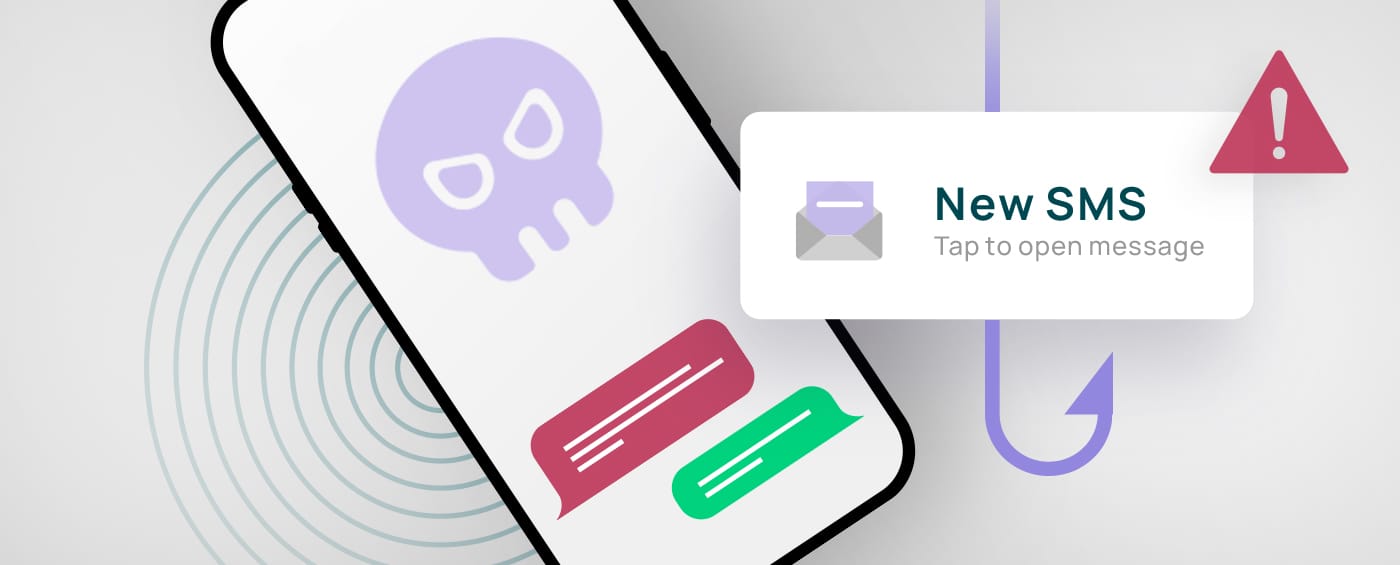
Smishing is similar to phishing, but it happens via text messages. Scammers may claim there’s a problem with your account, offering a link to “fix it now” or a phone number to call.
Red Flags:
- Messages requesting immediate action
- Links that lead to unfamiliar websites
- Texts from numbers you don’t recognize claiming to be “official”
Tips to Stay Safe:
- Don’t click links in unsolicited texts
- Never share personal information over text
- Report suspicious texts to Ellafi immediately
3. Impersonation Scams
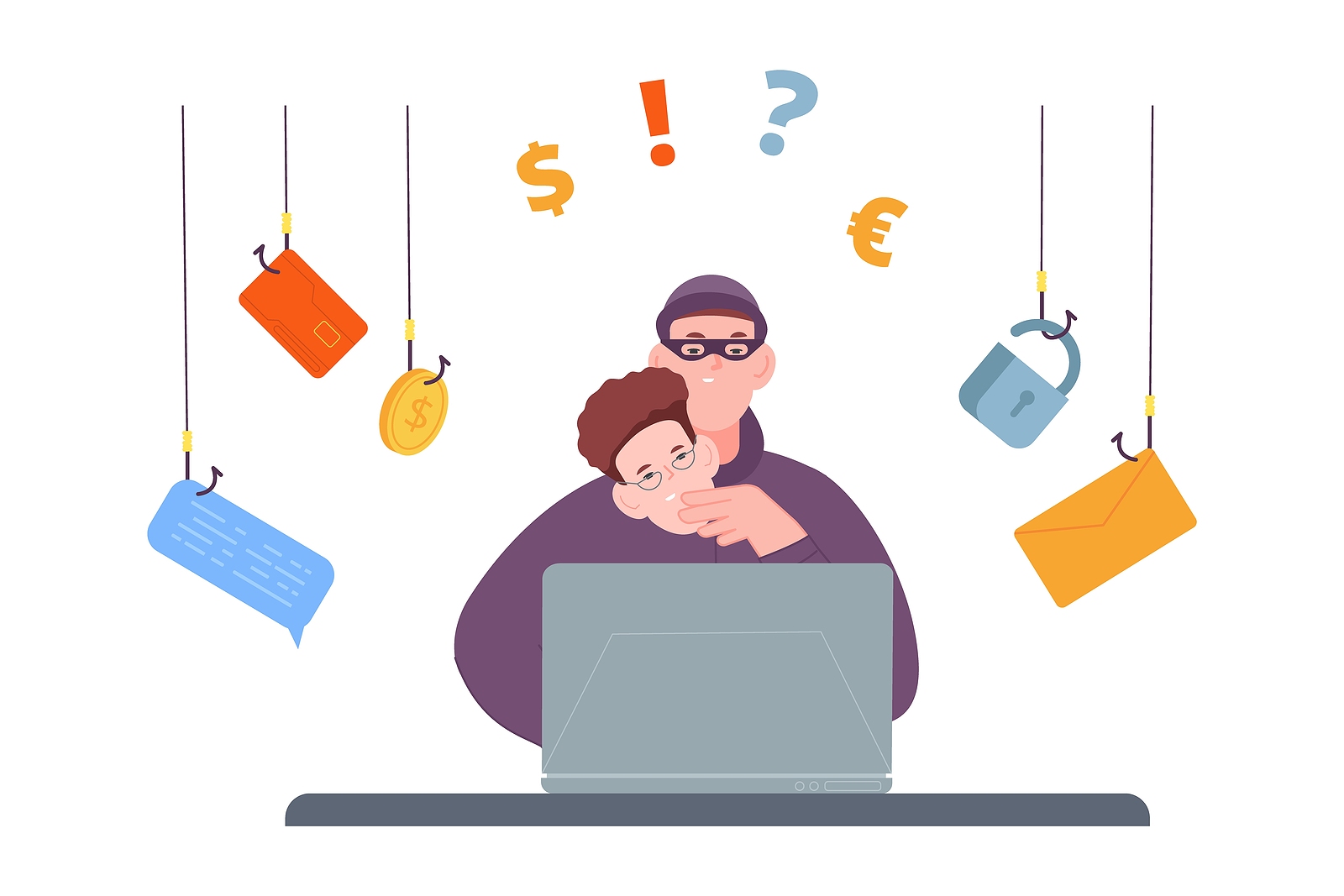 Scammers may pose as family members, friends, or even law enforcement, claiming they need money for an emergency. They often use emotional tactics to pressure you into sending funds quickly.
Red Flags:
- Requests for money under “emergency” circumstances
- Unusual payment methods such as gift cards, cryptocurrency, or wire transfers
- Poor spelling, grammar, or inconsistent messaging
Tips to Stay Safe:
- Verify the identity of the person contacting you
- Contact family members or friends directly if a request seems unusual
- Never feel pressured to act immediately
Example: A scammer calls claiming to be your grandchild in urgent need of money. Before sending funds, confirm the story with a trusted family member.
4. Skimming and Shimming
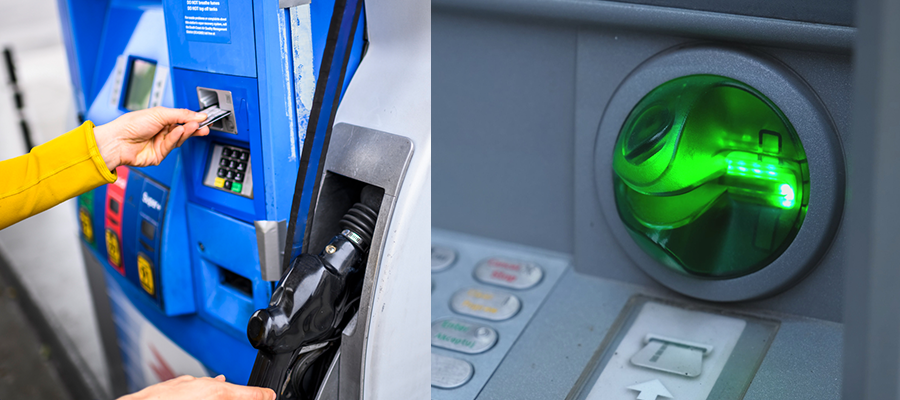 These techniques involve devices placed on ATMs or point-of-sale terminals to capture your card information. Skimming records the data from the magnetic stripe, while shimming captures data from chip-enabled cards.
Red Flags:
- Loose or unusual parts on card readers
- Unfamiliar devices or suspicious individuals near ATMs or payment terminals
Tips to Stay Safe:
- Inspect ATMs and card readers before use
- Shield the keypad when entering your PIN
- Report any suspicious devices immediately
5. Online Shopping and E-Commerce Scams
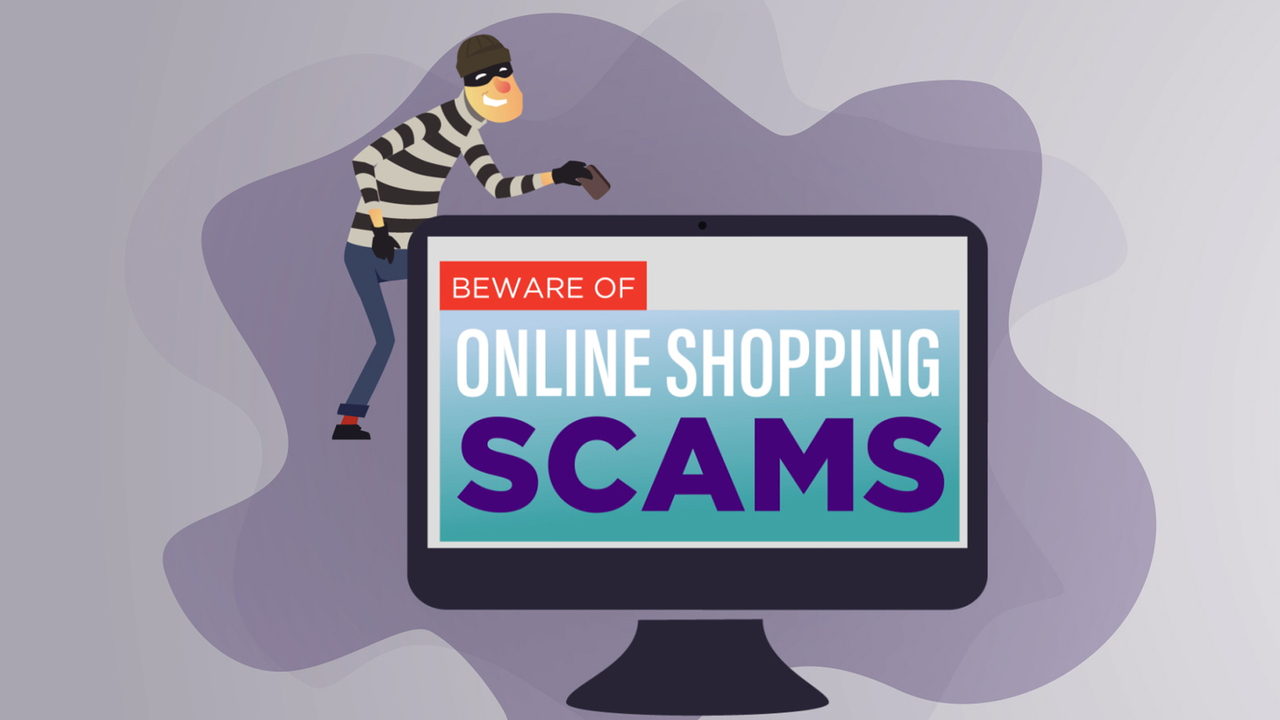 With more people shopping online, scammers are setting up fake websites or fraudulent listings to steal credit card info.
Red Flags:
- Prices that are too good to be true
- Websites without “https” or proper security certificates
- Requests for unusual payment methods
Tips to Stay Safe:
- Shop only on reputable websites
- Use a credit card rather than a debit card for extra protection
- Avoid public Wi-Fi when making purchases
6. Investment and Cryptocurrency Scams
 Fraudsters are increasingly targeting people looking to invest, promising high returns on stocks, real estate, or cryptocurrencies.
Red Flags:
- Guaranteed or unusually high returns
- Pressure to invest quickly
- Requests for personal information or upfront fees
Tips to Stay Safe:
- Research thoroughly before investing
- Be cautious of unsolicited offers via email or social media
- Consult a trusted financial advisor
How to Protect Yourself
- Monitor Your Accounts: Regularly review your account statements and transaction history for any unauthorized activity.
- Use Strong Passwords: Create complex passwords and change them regularly.
- Enable Two-Factor Authentication: Add an extra layer of security to your accounts by enabling two-factor authentication where available.
- Educate Yourself: Stay informed about common scams and fraud tactics.
- Report Suspicious Activity: If you suspect fraud, contact Ellafi immediately at 860-346-6614.
Ellafi is Here to Help
Your financial safety matters. We’re committed to empowering you with the knowledge and tools to protect your money. If you suspect fraud or need guidance, our team is ready to help. Together, we can outsmart scammers and stay secure in a digital world.
Remember: Staying informed and cautious is your best defense.